
The complex reality of eating disorders: A conversation with Dr Jennifer Ellen Hamer
- Wellbelle
- Oct 23
- 6 min read
Updated: Oct 29
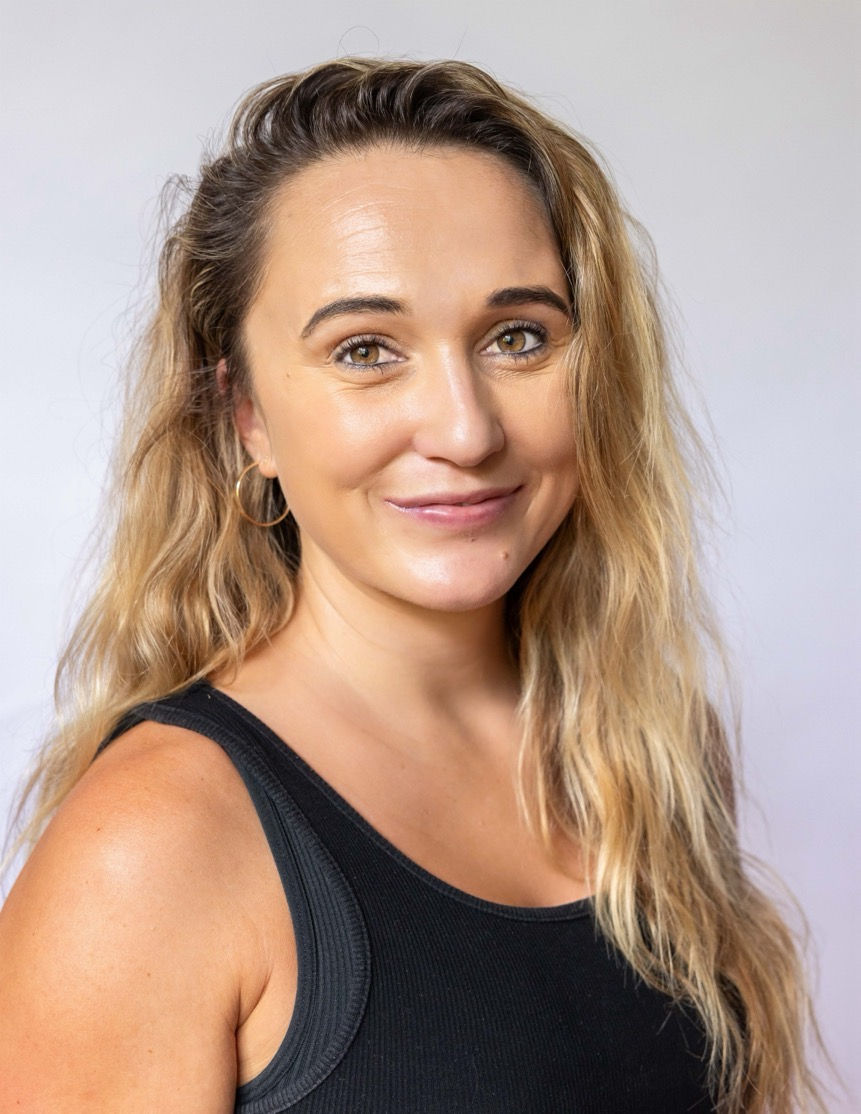
Eating disorders and disordered eating behaviours are far more common than many realise, particularly among women and girls navigating the pressures of health, body image, and performance. As a community centred on women’s wellbeing, we wanted to open an honest conversation about what eating disorders really are, what contributes to them, and how recovery is possible.
We spoke with Dr Jennifer Hamer because her story bridges both science and lived experience. As a former elite athlete, researcher, and recovery coach, she offers a deeply personal and evidence-based perspective on how eating disorders develop, the influence of diet culture, and what true healing looks like. Her story follows below.
The complex reality of eating disorders
It’s a common misconception that eating disorders are simply a matter of vanity, but the truth is far more complex. Eating disorders arise from a combination of biological, psychological, and cultural factors. They are not a choice, nor are they about trying to look a certain way for superficial reasons. This misunderstanding kept me isolated in my own struggle for years, terrified of seeking help out of fear of being judged, especially by those closest to me. I worried people would think I was vain or shallow, which couldn’t have been further from the truth. I know many people reading this today will have either experienced something similar themselves or know someone they love who has endured this pain.
One of the most challenging aspects of living with an eating disorder is the illusion of control. Initially, I thought I could control my body and my life through my eating habits, a belief that society not only reinforced but also encouraged. However, for those predisposed to eating disorders, what starts as an attempt to control aspects of your life in a seemingly innocent pursuit of ‘health’ can quickly spiral out of control. While dieting or the ‘pursuit of healthier’ alone doesn’t cause an eating disorder, it can be the trigger that sets one off, especially in a culture that is obsessed with diet and body image.
Living in a diet culture
Western society is steeped in diet culture, a pervasive system that glorifies the societal ideal body, promotes weight loss, and idealises specific ways of eating. The rhetoric that ‘healthy’ = ‘worthy’. From a young age, we’re bombarded with messages that tell us how we should look and what we should eat. These messages become deeply ingrained, shaping our beliefs and behaviours in ways we might not even realise. I know this all too well; I spent years internalising these ideals, believing that my worth was tied to how closely I could adhere to them.
But diet culture isn’t just an individual problem - it’s a systemic one. It affects all of us, and it can be incredibly difficult to disentangle from its influence. I’m not here to blame anyone for falling into its trap; I’ve been there myself. When I first learned about diet culture, I resisted the idea that so much of my thinking had been shaped by it. It was uncomfortable to confront, but it was also a crucial step in my recovery. Understanding that diet culture was a significant factor in my eating disorder helped me see that the problem wasn’t me - it was the environment I had been raised in.
From athlete to advocate: my lived experience with an eating disorder
My journey as an athlete was both rewarding and heartbreaking. As a young, talented endurance runner, I was driven by passion and success but was silently battling a severe and enduring eating disorder. Despite my athletic achievements, my well-being was overshadowed by the accolades, and the warning signs of my deteriorating health were overlooked. At just 12, the shadow of an eating disorder began to cloud my life, and by 22, I nearly lost my life to anorexia during a harrowing stay in an inpatient unit.
This experience forced me to confront a painful truth - my athletic career was over due to a diagnosis of severe osteoporosis caused by my eating disorder. No longer able to compete, I channelled my energy into a new mission: to prevent others from experiencing the same fate and to help others who needed it most. I embarked on a journey in research and advocacy, earning a PhD in eating disorder prevention in sport.
"Eating disorders affect over 1.1 million Australians, crossing all boundaries of gender, age, and body size. These numbers likely underestimate the issue due to the normalisation of disordered eating and the stigma surrounding mental health"
My goal is to educate, empower, support, and advocate for better prevention, early detection, and intervention strategies. I strive to help as many individuals as I can while pushing for systemic change and encouraging a cultural shift in how we view and address eating disorders.
Today, I combine my lived experience with my professional expertise to drive positive change. My mission is to be a voice for those affected, ensuring that better prevention and treatment are accessible, and that others don’t have to endure the same struggles I did.
Lessons from recovery: reclaiming your power
Recovery has taught me lessons that have reshaped not only my relationship with food and my body but also my entire outlook on life. These are the truths I want to share with you:
Seeking perfection leaves you empty: The pursuit of a perfect body or perfect control only leads to more dissatisfaction and less joy. True happiness comes from accepting and nourishing yourself as you are.
Your worth is beyond measure: Your value isn’t defined by a number on a scale or the image in a mirror. You are so much more than your appearance - your worth is in your heart, your mind, your soul.
Diet culture feeds disordered eating: Society often normalises unhealthy behaviours, making it difficult to recognise when disordered eating begins (when healthy eating becomes unhealthy). It’s an act of bravery to reject these harmful messages and choose a path of self-compassion and healing.
Body obsession steals your joy: Fixating on your body robs you of the true gifts of life. When you shift your focus away from appearance, you begin to see the beauty in the world around you.
Facing fears leads to joy: Stepping outside your comfort zone is terrifying, but it’s where growth happens. Each challenge I faced in recovery led to moments of immense joy and self-discovery.
Self-love is essential: Allowing yourself to be loved and cared for is key to recovery. It’s only through love that we learn we are deserving of love, kindness, and compassion.
You deserve to take up space: You are enough, exactly as you are. You have the right to take up space in this world, to express yourself, and to embrace your uniqueness without apology.
Recovery is always worth it: The journey is tough, but the rewards are profound. Recovery is a testament to your strength and resilience, and it’s always worth pursuing.
Recovery isn’t just about restoring physical health; it’s about learning to love and accept yourself in a world that often tells you you’re not enough. But you are enough, just as you are. And you deserve a life filled with joy, fulfillment, and the freedom to be yourself.
About Dr Jennifer Ellen Hamer
Dr Jennifer Hamer is a distinguished researcher, practitioner, and recovery coach specializing in eating disorders. With a robust academic and professional background in managing Relative Energy Deficiency in Sport (REDs) and eating disorders, Dr Hamer holds a Doctor of Philosophy from Griffith University, where she was honoured with the Award of Excellence in Research Thesis. Her career has been devoted to advancing the understanding and management of eating disorders and REDs through both research and clinical practice.
As a nutritionist and recovery coach, Dr Hamer supports individuals in recovery by combining her professional expertise with her lived experience to guide people back to optimal health. She integrates evidence-based knowledge with a deep, empathetic understanding of the recovery process.
Beyond her one-on-one work, Dr Hamer has designed, implemented, and evaluated numerous education programs and national events for organisations such as Swimming Australia and the Australian Institute of Sport, addressing critical health and wellbeing issues in sport.
She has contributed extensively to the academic community through internationally recognised publications on REDs, eating disorders, and bone health in athletes, and is a regular presenter at national conferences, where she continues to advocate for athlete health and coach education.
Connect with Dr Hamer
LinkedIn: Dr Jennifer Ellen Hamer | LinkedIn


Comments