
Burnout, boundaries & the power of slowing down with Catherine Robertson
- Wellbelle
- May 1
- 5 min read
Updated: Oct 25
Unlike stress, which feels urgent and demanding, burnout whispers its way into our lives until one day we realise we’re running on empty.

A few months ago, we had the privilege of speaking with Catherine Robertson about one of the most important topics in women’s wellbeing today.. burnout. As many women strive to balance ambition, career, and personal growth, conversations like these remind us how vital it is to create space for rest, relaxation and reflection.
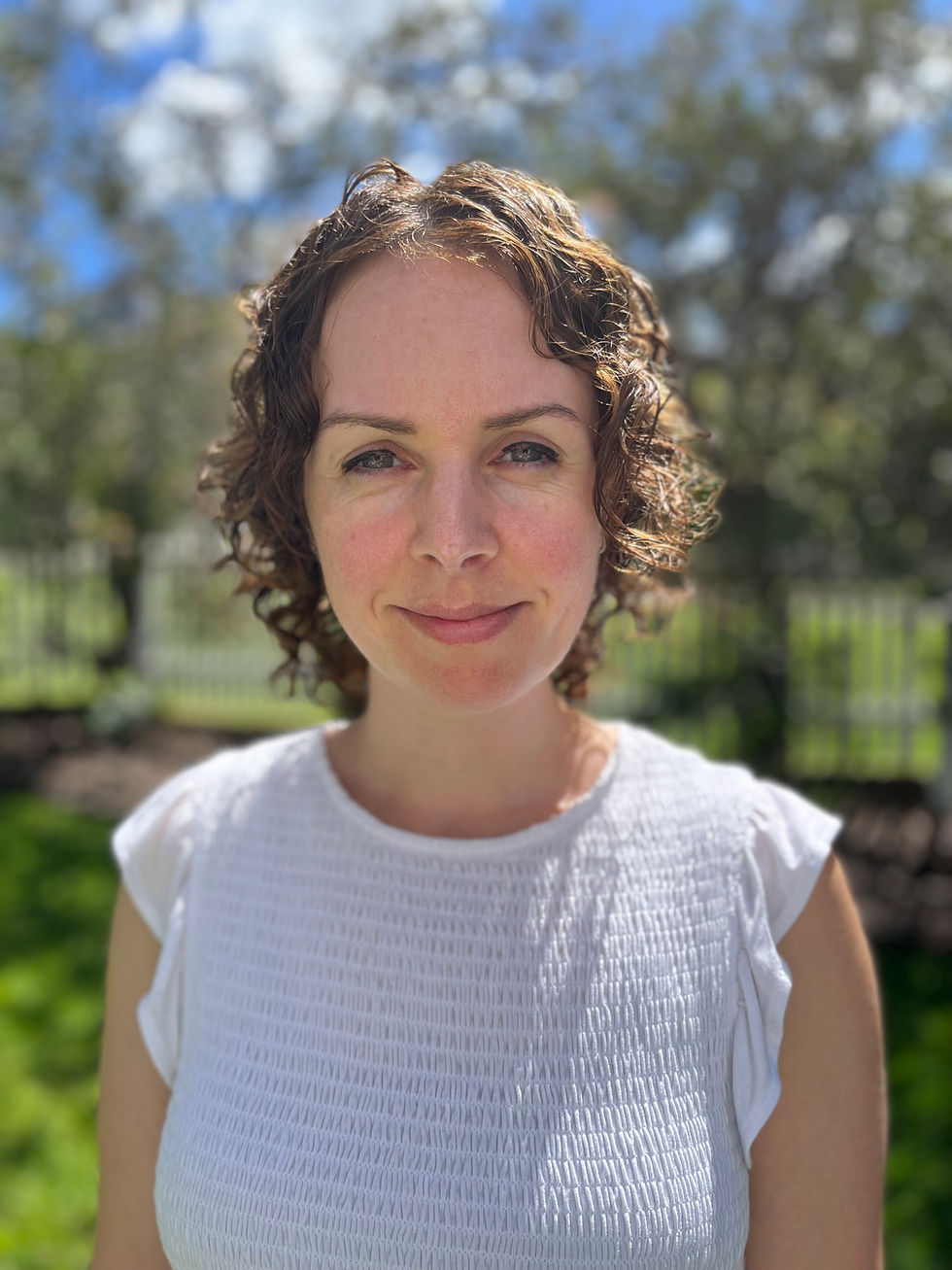
Catherine is a Wellbeing Consultant, Coach, Keynote Speaker, and Leadership Facilitator. With over twenty years of experience in the pharmaceutical industry and more than a decade of study in mindfulness and positive psychology, she brings a unique and deeply personal approach to helping professionals manage stress, avoid burnout, embrace mindfulness, and build balanced, fulfilling lives. Known for her warm, evidence-based, and heart-led style, she has become a trusted voice for ambitious women looking to lead with purpose while prioritising their health.
What is burnout, and how does it differ from regular stress?
While stress is a normal part of juggling a busy, modern life - burnout is the signal that our nervous system is overloaded and beginning to shut down. Burnout occurs when we consistently give more than we can handle without sufficient support or recovery time. It tends to creep up on us and shows up more quietly than stress. Whereas stress can feel like urgency and adrenaline, burnout has a different energy - one of emotional exhaustion, a sense of detachment or cynicism about work and a nagging sense that what we do doesn’t really matter or make a difference. For many people it feels more like a depletion of inner resources and resilience, which is so much more than a reaction to external pressures.
What are some early warning signs that someone might be experiencing burnout?
Burnout doesn’t happen overnight, it builds slowly, often beneath the surface, until we hit a tipping point. According to insights from burnout expert Nick Petrie’s research, early warning signs often appear in subtle ways and can cause significant shifts in how we think, feel, and behave.
Some of the most common early warning signs include:
Emotional exhaustion: You feel drained at the start of the day, not just at the end. Even activities you used to enjoy begin to feel like burdens.
Cynicism or detachment: You start to emotionally distance yourself from your work or the people around you. A sense of meaning and connection is replaced by irritation or indifference.
Decreased performance: Despite working harder, your output or quality drops. It becomes harder to concentrate, prioritise, or make decisions - mental fog sets in.
Loss of empathy: You find yourself becoming less patient, more reactive, or disconnected from others, a sign that you’re becoming more depleted.
Body signals: Sleep issues, frequent headaches, tension, digestive problems, or increased reliance on caffeine, alcohol, or sugar are all signs that your nervous system is under chronic strain.
How can ambitious women set boundaries without feeling guilty?
This can be a hard one to implement as for many of us, the pressure to “do it all” is deeply internalised. We’re often rewarded and even praised for overextending ourselves, being endlessly available, and saying yes when we want to say no.
To shift out of this, you can:
Redefine success: Ask yourself not just “What do I want to achieve?” but also “What kind of life do I want to sustain?”
Practice micro-boundaries: Start small - leaving work on time one day a week, protecting lunch breaks, or turning off notifications after hours. These actions build the muscle of self-leadership and show others how to treat you.
Reframe guilt as growth: Feeling guilty is often a sign that you’re doing something new and brave. Instead of resisting it, recognise it as evidence that you’re evolving beyond old patterns that no longer serve you.
Lead by example: When women model clear, values-based boundaries, they give others permission to do the same.
Remember, boundaries aren’t a luxury, they’re a crucial and necessary aspect of health and wellbeing. And when we set them with clarity, love and self-respect, everyone benefits.
What strategies do you recommend for maintaining energy and motivation without overworking?
Sustaining energy and motivation isn’t about doing more, it’s about working smarter and recovering well. And in order to do that it’s really important to tune in and listen to what your body, mind and spirit needs day to day.
Try working in focused sprints of 30-45 minutes followed by a break to stretch, move and reset. Prioritise daily exercise, good sleep, nutritious whole foods and moments of downtime away from screens to really switch off.
And I’m also a huge fan of advising my clients to do something every day that makes you feel good and brings you joy. That can be dancing in the kitchen to your favourite song, swimming in the ocean, yoga - whatever lights you up, go do it!!
Finally, it’s also important as women that we get better at honouring our cyclical nature and realising that we’re not meant to go,go,go all the time. As Dr Stacy Sims says, “women are not small men” and when we pay attention to the natural ebbs and flows of our feminine cycles, we can work more harmoniously with our bodies, not against them.
How important is rest and recovery, and what are the best ways to incorporate them into a busy lifestyle?
Rest and recovery are essential for sustainable energy, mental clarity, and emotional resilience. Especially for women, who are cyclical beings, our energy naturally fluctuates throughout the month. When we ignore these rhythms and push through constantly, we drain our capacity and increase the risk of burnout.
To weave rest into your busy lifestyle, think in small, intentional moments:
Micro-recovery: Take short pauses during the day - step outside, stretch, breathe deeply. Even five minutes can reset your nervous system.
Sleep as a non-negotiable: Prioritise consistent, high-quality sleep and minimise blue lights from screens an hour before bed to signal to the body that it’s time to sleep.
Schedule downtime: Add rest to your calendar like you would any other commitment - whether it’s a walk, a nap, or quiet time with no demands or social engagements.
Say no: Don’t push yourself to attend events and gatherings if already feeling depleted and stretched.
Work with your cycle: If possible, plan high-energy tasks during the follicular phase of your cycle and allow more space for reflection or rest during the lower-energy luteal phase.
Remember: rest isn’t the opposite of productivity, it’s what makes it sustainable.
What advice do you have for women who feel like slowing down means falling behind?
Such a powerful question and one that so many ambitious women wrestle with. If you’ve been conditioned to equate your self-worth with productivity, slowing down can feel like failure. But the truth is, slowing down isn’t falling behind - it’s choosing to move forward more intentionally. When you pause, reflect, and reconnect with yourself, you make better decisions, set clearer priorities, and use your energy more wisely.
Success isn’t about constant motion, it’s about alignment. Slowing down gives you access to your inner wisdom, creativity, and resilience all things that hustle can drown out. Instead of asking, “Am I doing enough?”, try asking, “Is the way I’m doing this sustainable?” or “Is this aligned with what really matters to me?” Sometimes, the most powerful progress happens in stillness.
Have you ever experienced burnout yourself? If so, how did you overcome it?
I experienced a period of extreme exhaustion and depletion about 13 years ago when I was struggling through a series of challenging personal circumstances. It was a really tough time but what helped me overcome it was working with an excellent Kinesiologist who supported me through the process and inspired me to take better care of myself. I started to meditate, exercise more, practice gratitude and slowly made some necessary changes to align my life to my deeper values and needs. Even though it was a very painful and difficult time I feel like it taught me some incredibly powerful lessons and my life has never been better!
Connect with Catherine Robertson
Follow her work:
Instagram: @wellbeingwithcatherine
LinkedIn: Catherine Robertson


Comments